Category: General News

  • Bangkok residents coughing up blood as toxic smog engulfs the city

    Bangkok residents coughing up blood as toxic smog engulfs the city

    Thailand’s capital, Bangkok, is currently suffocating under hazardous smog, which has now forced hundreds of schools to close in an attempt to protect the city’s children.

    The air is full of toxic heavy metals – including arsenic – which has the ability to pass directly into humans and cause both short and long-term health issues. Residents have reported sneezing and coughing up blood following the worst-ever smog disaster.

    Worryingly, there is no end in sight, as the emerging world is more concerned about low-cost, speedy, industrial growth rather than the effect of this on the environment.

    What is causing the Bangkok smog?

    The haze being experienced in Bangkok is caused by dense traffic, factories, and construction sites.

    • Factories all over the world burn extremely low-grade toxic oil, and no-one is guiltier of this than operators in the Far East
    • The diesel used in heavy goods vehicles and construction machines is known to be at the lower end of the quality scale across the emerging world
    • The resulting emissions pump harmful substances into the atmosphere, polluting the air we breathe with soot, smoke, and toxic particulate matter (PM)

    The World Health Organisation (WHO) considers PM2.5 (particulate matter that is 2.5 micron in size or smaller) to be carcinogenic. The Pollution Control Department (PCD) says it is unsafe if the amount of PM2.5 exceeds 50 micrograms per cubic m of air. Currently, 35 areas of Greater Bangkok are recorded as having unsafe levels of PM2.5, which have been identified as containing at least 51 kinds of heavy metals – cadmium, tungsten, and arsenic being among them.

    These tiny particles can pass directly into humans via the respiratory tract, ultimately ending up in our internal organs, causing significant health problems.

    How can Bangkok reduce its smog?

    The environmental disaster being played out in Bangkok has been reported all over the world. Bangkok authorities have pleaded for solutions – evidently, it has not planned for this situation, despite industrialisation continuing at a pace.

    The executive director of the Federation of Thai Industries, Chayo Trangadisaikul, said, “Manufacturers are going to be under pressure to do better on pollution. Firms offering technology for environmental upgrades may see huge opportunities.”

    SulNOx is in discussion with bulk suppliers of fuel around the world. These organisations are motivated by the economic and environmental benefits SulNOx provides. We need more business owners to take this positive step, so we can all move forward while taking responsibility for our outputs and ultimately take better care of our planet.

    The solution

    SulNOx’s unique fuel conditioner and fuel emulsifier products can provide a solution.

    • Our products can be added to the oil in tiny amounts, but the effect is significant. In recent tests on diesel engines, SulNOx achieved a reduction in PM2.5 of 65%
    • Specifically designed for use in diesel and bunker oil, our products are proven to reduce exhaust and burner smoke toxins
    • Particulate matter and smoke are, after all, unburnt fuel. Our emulsifiers and conditioners improve engine combustion, offering a more complete burn, which reduces the particulate matter and smoke released

    We believe the only solution to this global problem is to add our low-cost product direct to the fuel, designed to drastically reduce particulate matter, soot, and smoke.

    SulNOx is eager to widen discussions to all and any large users of diesel, fuel oil, and bunker oil. Please visit our website to read more about our work or contact us today on +44 203 291 3638.

    Posted Feb 13, 2019

    Reproduction of this information is with kind permission from SulNOx

  • The silent killer out at sea

    The silent killer out at sea

    Did you know, there is a direct cost of international shipping to the unassuming public? Human life. Thousands of human lives.

    Independent research organisation, Transport & Environment, which campaigns for cleaner transport in Europe, has revealed that:

    • Air pollution from international shipping accounts for approximately 50,000 premature deaths per year in Europe
    • The annual cost to society (of these premature deaths) is more than €58 billion

    Through chemical reactions in the air, the SO2 and NOx from ship exhaust emissions are converted into fine particles, sulphate and nitrate aerosols.

    It is these tiny, airborne particles that are linked to premature deaths. The particles get into the lungs and are small enough to pass through tissues and enter the blood. They can then trigger inflammations, which eventually cause heart and lung failures. Ship emissions may also contain carcinogenic particles.

    Time for change

    International shipping is crucial to our world economy, we are not arguing this. What we are arguing, is the need for ship owners to start making responsible choices when it comes to fuel.

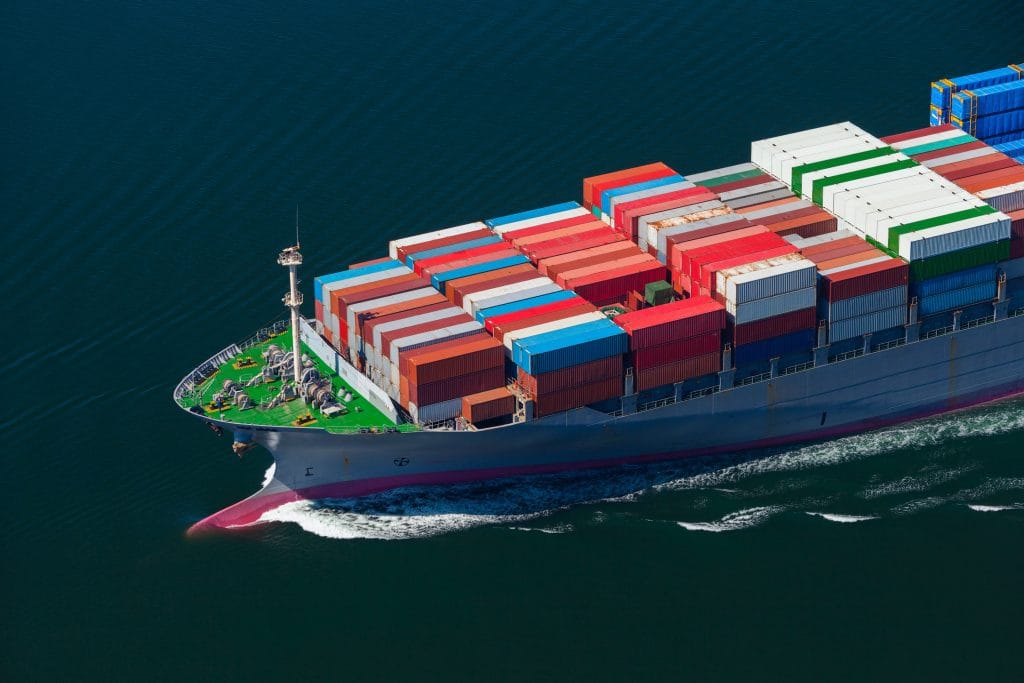
    A single large container ship pumps out more harmful gases than 50 million automobiles. Ship fuel is thought to produce deadly toxins 2,000 times greater than automobile fuel.

    We would like to say to ship owners, we have a product that drastically reduces exhaust emissions.

    Not only that, our heavy fuel oil emulsifier:

    • Produces a more efficient burn, making it a more cost-effective option
    • Improves engine life and reduces maintenance costs

    The low-cost option to reduce exhaust emissions

    Our technology is a huge step in the right direction in the fight against global warming. We need ship owners to come forward and speak with us about our low-cost option to reduce toxic global emissions.

    The International Maritime Organisation (IMO) has already outlined regulations to reduce fuel’s sulphur content (from 3.5% to 0.5%) by 2020, so there is already pressure on the shipping industry for change. This is anticipated to save approximately 26,000 lives a year in the EU from 2020.

    The spotlight on climate change has intensified in recent years. We urge ship owners to speak with us about our fuel emulsifiers, not only to ensure they become IMO 2020 compliant but to act responsibly in using a product that is guaranteed to reduce their exhaust emissions. Call us on +44 203 291 3638 or email info@sulnoxgroup.com to learn how we are ready with a solution.

    Posted Mar 01, 2019

    Reproduction of this information is with kind permission from SulNOx

  • No deal Brexit to upend the UK’s carbon emissions policy

    No deal Brexit to upend the UK’s carbon emissions policy

    • In the event of a no-deal Brexit, Britain would drop out of the EU Emissions Trading System (EU ETS)
    • Public interest in Britain’s carbon emissions policy will surge during 2019, as a result of Brexit
    • SulNOx offers a low-cost solution to reduce exhaust emissions and is engaging with large British fuel distribution companies

    For the past 14 years, Britain has been part of the EU Emissions Trading System (EU ETS), which is the cornerstone of the EU’s policy to combat climate change and its key tool for reducing greenhouse gas emissions in a cost-effective way.

    The UK is Europe’s 4th largest contributor to emissions. Currently, the EU ETS covers 13,000 factories, power stations, and airlines in Britain; how Brexit plays out is going to be significant.

    What is the EU Emissions Trading System?

    The cap-and-trade system is reducing greenhouse gases gradually across a four-phased project that runs until 2030. It promotes investment in clean, low-carbon technologies, and is the world’s first international emissions trading system.

    • In 2020, emissions from sectors covered by the system will be 21% lower than in 2005
    • In 2030, under the revised system, they will be 43% lower

    When Britain exits the EU, it must consider its own emissions policy, but little is known about how it will operate alongside the standards set by the EU.

    EU ETS carbon contracts

    Under the EU ETS, companies can trade with one another, receiving or buying emission allowances as needed. The principal headache for British companies now, is that they have purchased EU compliant carbon contracts as investments, but the EU has already suspended the distribution of these contracts. This is already having a major financial impact on business.

    What happens once Britain exits the EU?

    Recent news demonstrates that the British people are taking the government and industry to task on this issue. Britain may have to set its own carbon emissions policy, but few details have been broadcast on what this means.

    How will British companies regulate carbon emissions after Brexit?

    As with so many Brexit-related issues, this is unknown, but it is possible for companies to take their own carbon emissions in hand.

    • We see Britain as our initial route to market for our emissions-beating products
    • We are a British company, working globally to reduce toxic greenhouse gases and protect our environment
    • The unsettling landscape on home soil only gives us more impetus to share our message with fellow British companies, who need a solution to reduce their carbon emissions

    69 million tonnes of petroleum products move around the UK each year. Just a small dose of our fuel conditioner will reduce harmful exhaust toxins by up to 30%, with a 60% reduction in fine particulate matter.

    A small change to make a big difference

    If you are a bulk distributor and/or user of stored diesel, please get in touch to find out how we can help save your business money while regulating your carbon emissions. Call +44 203 291 3638 or email info@sulnoxgroup.com.

    Posted Mar 28, 2019

    Reproduction of this information is with kind permission from SulNOx

  • Change of Adviser

    Change of Adviser

    SulNOx is pleased to announce the appointment of Allenby Capital Limited (“Allenby”) as the Company’s AQSE Growth Market Corporate Adviser with immediate effect.

    A spokesperson for SulNOx commented:

    “With over 8 months under our belt as a listed company, we are delighted to become a client of Allenby which has a strong reputation in the City as a leading stockbroking and corporate advisory firm.

    “We thank Alexander David Securities for the excellent service it has provided to the Company since early 2019 in guiding us through to a listing on the Aquis Stock Exchange.”

    Enquiries:

    SulNOx Group Plc,
    Radu Florescu,
    Chief Executive,
    sulnox@flagstaffcomms.com

    Media and Investors:

    Flagstaff Strategic and Investor Communications,
    Tim Thompson / Fergus Mellon,
    sulnox@flagstaffcomms.com,
    020 7129 1474

    Aquis Stock Exchange Corporate Adviser:

    Allenby Capital Limited,
    Nick Harriss,
    +44 (0) 20 3328 5658

    The directors take responsibility for this announcement.

    About SulNOx Group Plc

    SulNOx, www.sulnoxgroup.com, has developed a hydrocarbon fuels conditioning and emulsifying process which enables more efficient fuel combustion, potentially leading to reduced fuel consumption and significantly lowered emissions.

    Posted Aug 28, 2020

    Reproduction of this information is with kind permission from SulNOx
  • The Diesel Bug

    The Diesel Bug

    For heavy users of Diesel, the contamination of fuel by microbes such as bacteria and fungi in water is a well documented and costly issue. It is often referred to as ‘The Diesel Bug’.

    SulNOxEco™ Diesel Conditioner remedies this issue as a ‘remover’ of all water in Diesel. To test this, we asked Dr Dan Clarke of SciMed to conduct some experiments. We wanted to see if the standard dosage of 1 part Conditioner to 2000 parts Diesel was effective when there are varying amounts of water present in the fuel.

    You can see SciMed’s full report on our website which provides expert evidence that using a tiny dosage of our product eliminates the problem of water in Diesel.

    A serious bugbear for diesel users

    Diesel is Hygroscopic, meaning that it readily attracts moisture through condensation build-up in the fuel storage tanks. This water settles at the bottom and becomes a breeding ground for microbes that feed on the hydrocarbon and other nutrients in the fuel. As it grows, it forms a layer of sludge which damages engines and eventually spoils the fuel.

    The existing method to control this problem is not cheap. It involves adding biocides to the fuel at a cost of between 1p and 16p per litre, and this treatment has to be repeated as water in the tank continues to build-up.

    The ultimate solution is to remove or isolate, the water completely by emulsifying it with the fuel. A single tiny dosage of SulNOxEco™ Diesel Conditioner ensures that the emulsifying process continues with any naturally occurring new water attracted to the fuel.

    Typically Diesel purchased from a UK forecourt already contains 200 parts per million (ppm) of water and we wanted to see what would happen if this was increased by up to 1200 ppm.

    A large amount of water was visibly evident in the test jar and when the fuel sample was shaken, the water droplets immediately started settling to the bottom. SciMed then added a few drops of SulNOxEco™ to the adulterated fuel sample and following a single shake immediately the water became emulsified and in effect, removed.

    The test samples will remain on the shelf at SciMed’s laboratory for extended observation and evaluation. We are supremely confident that the samples will remain completely stable.

    Nicholas Nelson, Chief Executive, commented:

    “Our Diesel Conditioner is sold to large users of Diesel who are looking for fuel savings through better engine combustion, and reduced exhaust emissions, including particulate matter.

    The same users now recognise us as being a solution to ‘The Diesel Bug’, a problem which is exacerbated in hot humid regions. We are receiving enthusiastic responses from very large Diesel users, such as those in mining, power generation, and haulage who are compelled to store huge volumes of fuel for extended periods. For them, SulNOxEco™ is a potential solution to multiple issues with the storage of Diesel fuel.”

    Enquiries:

    SulNOx Group Plc:
    Nicholas Nelson, Chief Executive
    info@sulnoxgroup.com

    Flagstaff, Strategic and Investor Communications
    Tim Thompson,
    Fergus Mellon,
    +44 (0) 207 129 1474

    The directors take responsibility for this announcement.

    About SulNOx Group Plc
    SulNOx, www.sulnoxgroup.com, has developed a hydrocarbon fuels conditioning and emulsifying process which enables more efficient fuel combustion, potentially leading to reduced fuel consumption and significantly lowered emissions.

    Posted Jul 09, 2020

    Reproduction of this information is with kind permission from SulNOx

  • Directorate Change

    Directorate Change

    The Company announces the resignation of Stephen Bamford as a Director as part of his plan for retirement.

    Stephen joined SulNOx in late 2013 shortly after it was formed to commercialise an emulsifier technology that was being acquired from the inventor. With his investor connections and long business experience, Stephen was central to the development of the business which culminated with the Company’s listing on the Aquis Stock Exchange in December 2019.

    A spokesperson for SulNOx, commented:

    “With his valuable leadership during SulNOx’s history, Stephen is retiring having helped to secure the Company’s recent funding before and following our Aquis Stock Exchange listing in December.

    “We are grateful for his insightful input during the Patent application process and the negotiations with some of the Company’s key stakeholders over past years. All of this positions us strongly to advance into sales of our unique fuel conditioning and emulsifier products.

    “He will be missed and we wish him well with his retirement following 50 successful years in business”

    Enquiries:

    Radu Florescu,
    Chief Executive
    sulnox@flagstaffcomms.com

    Media and Investors:
    Flagstaff, Strategic and Investor Communications
    sulnox@flagstaffcomms.com

    Aquis Stock Exchange Corporate Adviser:
    Alexander David Securities Limited
    David Scott – Corporate Finance,
    James Dewhurst – Corporate Broking,
    +44 (0) 20 7448 9820

    The directors take responsibility for this announcement.

    About SulNOx Group Plc
    SulNOx, www.sulnoxgroup.com, has developed a hydrocarbon fuels conditioning and emulsifying process which enables more efficient fuel combustion, potentially leading to reduced fuel consumption and significantly lowered emissions.

    Posted May 28, 2020

    Reproduction of this information is with kind permission from SulNOx

  • The Unintended Consequences of IMO2020

    The Unintended Consequences of IMO2020

    As of January 2020, the International Maritime Organisation (IMO) implemented new regulations banning ships from using fuels with a sulphur content above 0.5%.

    • The new regulations will impact an estimated 70,000 ships worldwide and aims to improve human health and help protect the environment by reducing air pollution.
    • The IMO claims more than 570,000 premature deaths will be prevented in the five years between 2020-2025 as a result of these regulations.

    What changes have ships made to become IMO2020 compliant?

    There are no restrictions on how a ship reduces its toxic emissions. Current methods include:

    • Retrofitting the ship’s exhaust system with a ‘scrubber’
    • Using an alternative, Very Low Sulphur Fuel Oil (VLSFO).

    Unfortunately, these methods have actual and environmental costs attached. We spoke about the implications of ships fitting exhaust cleaning systems called ‘open scrubbers’ in January last year. Today, we want to share our concerns over the use of VLSFO.

    What are the dangers of using Very Low Sulphur Fuel Oil?

    VLSFO is a very expensive fuel, which has been found to have higher black carbon emissions than standard Heavy Fuel Oil (HFO).

    • Black carbon forms as a result of incomplete fuel combustion
    • The result is a greater volume of deadly particulate matter
    • After CO2, black carbon is considered the most harmful emission in terms of climate change.

    Switching to VLSFO can increase black carbon emissions by up to 85%. A submission made by Finland and Germany funded by the German Environment Agency and assisted by MAN (the principal supplier of marine engines), shows that VLSFO can contain a large percentage of aromatic compounds, which have a direct impact on black carbon emissions. This has a particular impact on the Arctic as it settles on the ice.

    VLSFO is so dangerous that it’s facing calls to be banned, especially in Arctic waters.

    How can ships ensure IMO 2020 compliance in an affordable and environmentally-friendly way?

    The Covid 19 pandemic has seen a reduction in maritime exhaust emissions, but global shipping is now seeing a return to normal trading with China ‘re-opening for business’.

    SulNOx can provide a preferred solution to reduce soot and smoke and sulphurous emissions at no net cost to a ship.

    We have a proprietary system that is easily and quickly retrofitted to any ship and it significantly improves combustion. This results in a reduction in harmful emissions including carbon and sulphur. It’s as valid for VLSFO as it is for HFO.

    We are currently planning live trials with shipping companies and welcome all enquiries from ship companies wishing to take part. To find out more, please get in touch today.

    Posted Apr 24, 2020

    Reproduction of this information is with kind permission from SulNOx

  • 94,000 commercial ships to move into the slow lane

    94,000 commercial ships to move into the slow lane

    • Concerns about global pollution among shipping industry leaders are increasing
    • The International Maritime Organisation (IMO) is alert to the fact that ships account for 2.2% of global emissions of greenhouse gas, carbon dioxide
    • The latest knee-jerk response is to demand that the world fleet of 94,000 commercial ships travel more slowly
    • Limiting ships’ speed is a provisional measure until less polluting fuels can be developed

    Industry chiefs have suggested commercial ships cut their speeds by 10% in a bid to reduce carbon dioxide emissions.

    IMO 2020 negotiations – London, May 2019

    On 1st May, a Financial Times report described the emissions crisis facing the shipping industry – and what SulNOx describes as a panicked reaction by shipping industry leaders – as a PR stunt in advance of the IMO negotiations in London this month.

    IMO 2020 regulations will ban ships from using fuels with a sulphur content above 0.5%. The limit is currently 3.5%. Only ships fitted with scrubbers, which clean the sulphur from the engine before washing it out to sea, will be allowed to continue to use high-sulphur fuel.

    How can ships become IMO 2020 compliant?

    IMO 2020 is one of the most significant regulations to hit the shipping industry in the past decade.

    The overall aim is to better human health by reducing toxic emissions from the shipping industry. The IMO claims more than 570,000 premature deaths will be prevented in the five years between 2020 and 2025 as a result of these regulations.

    However, some key questions are currently being discussed within the industry:

    • Low-sulphur fuel is expensive and is in short supply. Will there be sufficient quantities of low-sulphur, compliant fuel to service the world’s fleet of ships by January 2020, when the regulations come into force? Major fuel bunkering ports appear to have supplies, but the concern is over the smaller ports.
    • The cost to ship owners to modify a ship’s exhaust system with ‘scrubbers’ will be significant. What’s more, the IMO has queried the impact of scrubbers on the environment following multiple environmental groups calling on the organisation to impose an immediate ban on their use. Perhaps an investment in engine modification will be short-lived after all.

    Are there other options available to the shipping industry?

    The short answer is ‘yes’.

    There are no restrictions placed on how a ship reduces its toxic emissions and we know that fuel additives are being considered.

    We have an immediately available solution – a product specifically targeting this urgent need.

    SulNOx fuel conditioners

    SulNOx believes that persuading countries around the world to agree to enforced shipping speeds (with the resulting economic implications) would be nigh on impossible and that alternative immediately available methods need to be considered.

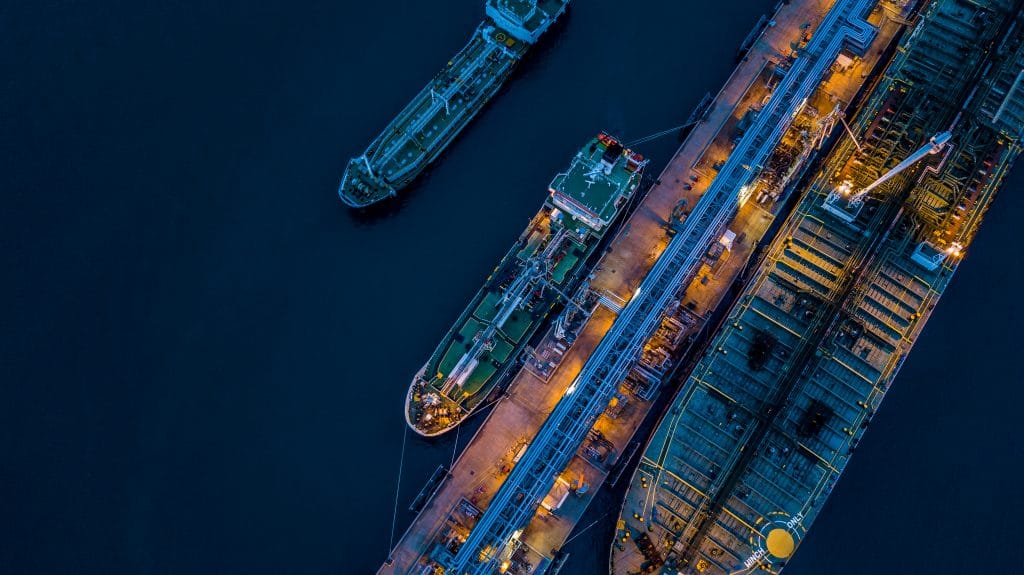
    Commercial ships run on Heavy Fuel Oil (HFO), which is the nasty dregs at the bottom of the barrel during the oil refining process. It is high in toxins and very few of us are aware that a single bulk carrier produces as much airborne pollution as 50 million cars.  It is thought, therefore, that the 26 largest ships emit similar pollution to all the cars in the world.

    The world has a fleet of 94,000 commercial ships, of which over 50,000 are described as bulk carriers and ocean liners.

    Our HFO emulsifier can be mixed with 18% water, providing ship owners with massive fuel savings and significant reductions in the harmful exhaust gas. Our products are manufactured by one of the world’s biggest chemicals companies, Nouryon .

    Act now to be IMO 2020 compliant

    The world is waking up to the damage caused by shipping and all ship owners must stand up to their responsibilities.

    • We have an immediate solution at no cost to ship owners
    • We are endorsed by one of the world’s biggest chemical companies and have a dossier of ship trial results

    By March 2020 it will be illegal for a ship to burn high-sulphur fuel in most of the world’s biggest ports. Break these rules and you will sail towards a two-year stay in prison. Ship owners must act now to implement a low-cost solution that will make their fleet immediately IMO 2020 compliant.

    For an initial conversation with our experts, call +44 203 291 3638 or email info@sulnoxgroup.com.

    May 15, 2019

    Reproduction of this information is with kind permission from SulNOx